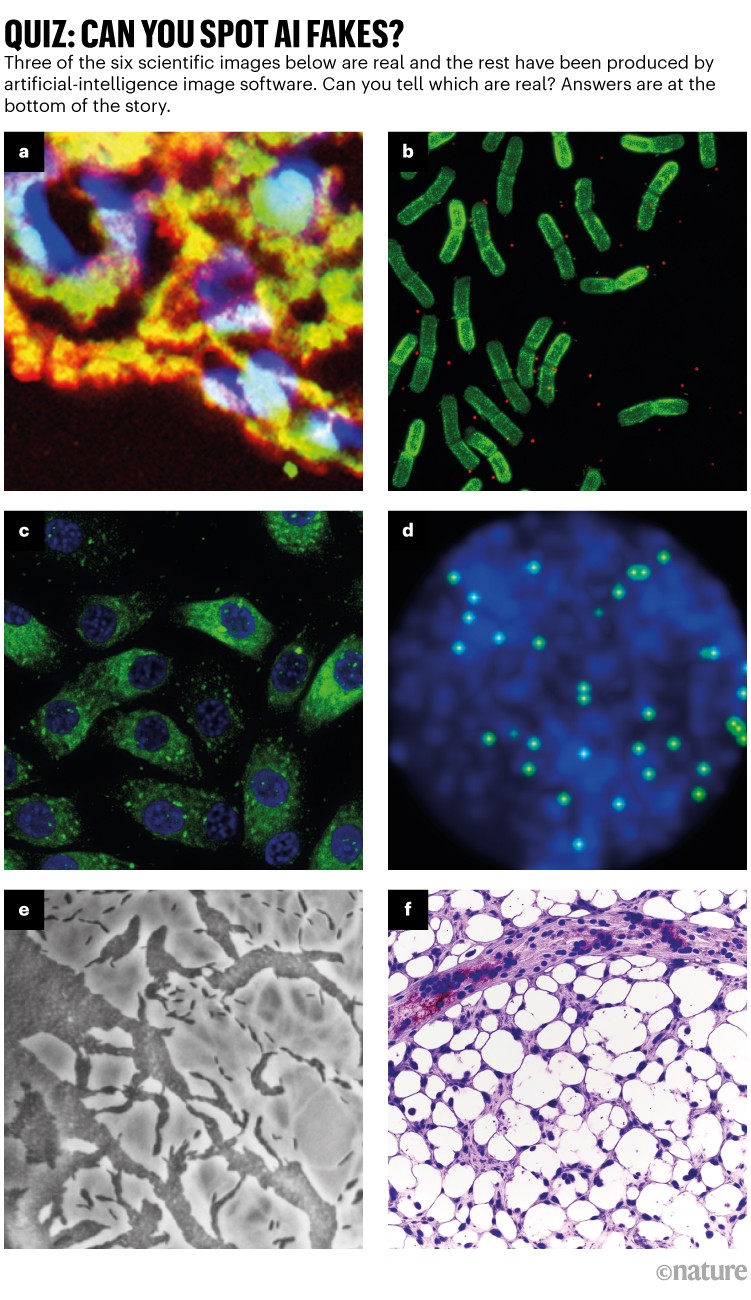
The Crisis of Trust in the Age of Synthetic Imagery
According to reports published in July and August 2026 by the Wall Street Journal and various academic institutions, the proliferation of AI-generated imagery is fundamentally altering how people process visual information. The old adage that "seeing is believing" is no longer a reliable heuristic, as modern AI models produce visuals so convincing that even experts struggle to distinguish them from reality.
Psychological and Technical Hurdles
Hany Farid, a scholar in digital forensics, emphasizes that cognitive biases play a critical role in this erosion of trust. Individuals are predisposed to accept images that align with their worldview while reflexively dismissing contradictory content as "fake." This psychological tilt renders traditional detection methods—such as searching for extra digits or odd lighting—largely obsolete as generative models continue to improve.
Expert Vulnerability
The issue extends far beyond casual social media users. A summary of a recent radiology study revealed that only 41% of clinicians could identify AI-generated X-rays when they were not explicitly warned of their presence. This finding highlights that even professionals are susceptible to deception when content mimics established domain norms, as they rely heavily on expectation and pattern recognition.
A Shift Toward Procedural Verification
Kevin Frazier of the University of Texas argues that the solution lies not in heightened visual scrutiny, but in procedural change. He suggests that "seeing" should no longer lead to immediate belief, but rather to further inquiry. Experts are increasingly advocating for "visual provenance"—the use of cryptographic proofs or metadata chains tied to camera hardware and authenticated workflows—to verify the origin of digital content.
While experts estimate that a significant portion of online content—potentially up to half—may now be AI-generated, major platforms have yet to adopt universal standards for verification. The future of visual evidence as a credible source of information depends on whether newsrooms, scientific repositories, and social platforms can integrate frictionless provenance checks into their daily operations. Without such systemic changes, the evidentiary power of the image may continue to decline, leaving society in a state of perpetual skepticism.
Source: AI Daily News. This story was rewritten and translated for our readers.