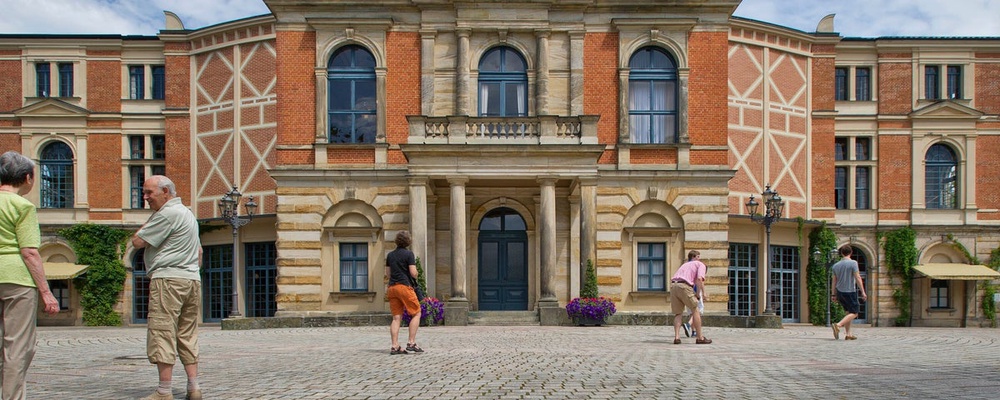
AI Experimentation at Bayreuth
The Bayreuth Festival marked its 150th anniversary by integrating artificial intelligence into its production of Richard Wagner’s Ring cycle. However, the move was met with audible disapproval from the audience, who booed and whistled following the performance of Götterdämmerung in August 2026.
Technical Vision and Intent
Curator Marcus Lobbes described the AI as an image-generating force rather than a performer, designed to create 3D holographic spaces. The system was trained on archival material from Bayreuth productions spanning 1876 to 2024. Organizers emphasized that the AI was intended to surround the singers with a shifting cosmos of light and history, ensuring that the music remained the central focus of the performance.
Critical Reception
The visual choices, which included disparate imagery such as former Chancellor Helmut Kohl and post-9/11 footage, led to confusion among attendees. Critics were harsh, with some labeling the production a “strepitous failure” and an “undefined colour soup.” Reviewers argued that the reliance on AI exposed significant weaknesses in narrative cohesion and directorial concept, with musicologist Anno Mungen suggesting that the anniversary programming felt “historically tone-deaf.”
Looking Ahead
While defenders of the production argue that the festival should use its milestone year to experiment with new visual languages, the negative reception has cast doubt on the future of AI in opera staging. The festival’s response to this feedback and whether other major houses choose to adopt similar archival-AI methods will determine if this event remains an isolated provocation or the beginning of a broader, albeit contested, trend in the world of opera.
Source: AI Daily News. This story was rewritten and translated for our readers.